


Ovarian Reserve: The first step to preventing infertility
By Debbie Cassis
Ovarian reserve refers to the number of eggs that exist in a woman’s ovaries at a given time. It is a vital factor that influences the possibility of conception.
Women have a limited number of eggs. The number decreases from intrauterine life as we age. Once the ovarian reserve is depleted, there is no way to recover it.
Every month the ovaries prepare a certain number of eggs, which compete with each other and only ONE is ovulated. The rest are lost. Approximately 1000 to 1500 eggs are lost per month.
Ovarian Reserve Evaluation
There are two important tools to evaluate ovarian reserve:
- Anti-Müllerian hormone measurement: this hormone is produced by the follicles and has a direct correlation with ovarian reserve. It is performed at any time of the menstrual cycle. This number should be between 1-4 ng/mL.
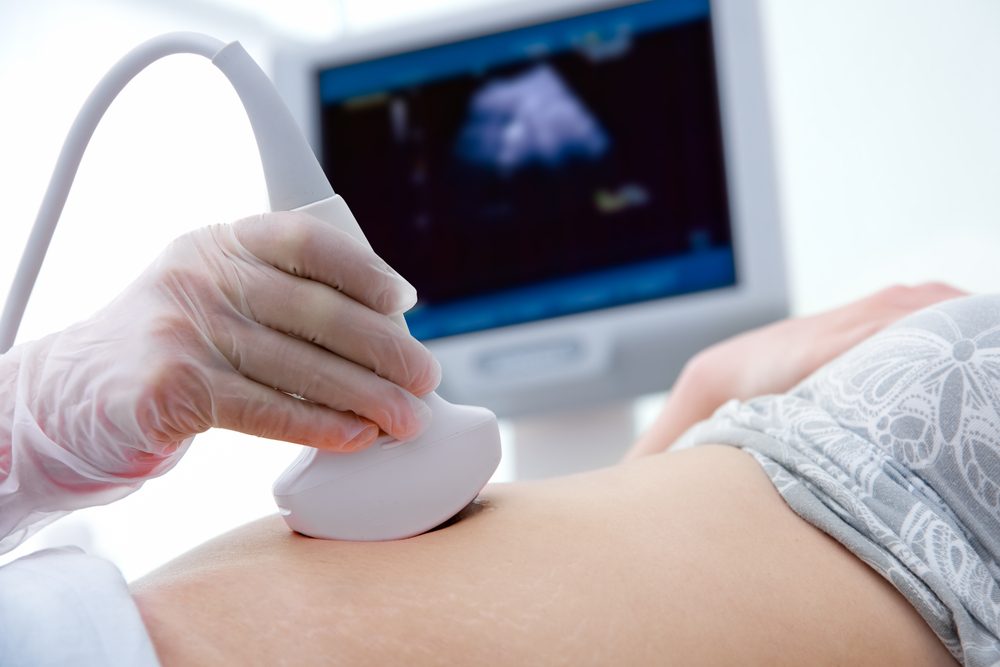
- Antral follicle count: this is performed via a vaginal ultrasound with a specialized physician, where the follicles within each ovary are counted. Follicles are the structures observed during the ultrasound and are the “houses” that protect the eggs. The total number of follicles should range between 10 and 20.
Both tests are essential to obtain a complete overview of each patient’s ovarian reserve at a specific point in time, as both are modified with the passage of time.
It is essential to continuously evaluate the ovarian reserve (approximately every year) to determine if the speed of ovarian reserve decrease is normal or more accelerated.
Factors that Affect Ovarian Reserve:
- Age: age is one of the most determining factors of ovarian reserve. The older the age, the lower the ovarian reserve. The rate of egg loss increases significantly after 35 years of age.
- Genetics: family history also plays an important role in ovarian reserve. If there is a history of early menopause, it is important to evaluate the ovarian reserve in a timely manner.
- Diseases: endometriosis, polycystic ovary syndrome, or autoimmune diseases can affect ovarian reserve.
- Habits: smoking, excessive alcohol consumption, and chronic stress can influence ovarian reserve.
In conclusion, we must bear in mind that evaluating our ovarian reserve with a specialist is essential for our reproductive health and planning our future.
It is time to make informed decisions about your reproductive health. At Hestia Fertility, we want to help you plan your future safely.
www.hestiaferility.com
@dra.debbiecassis